
 繁体中文
繁体中文 简体中文
简体中文 Deutsch

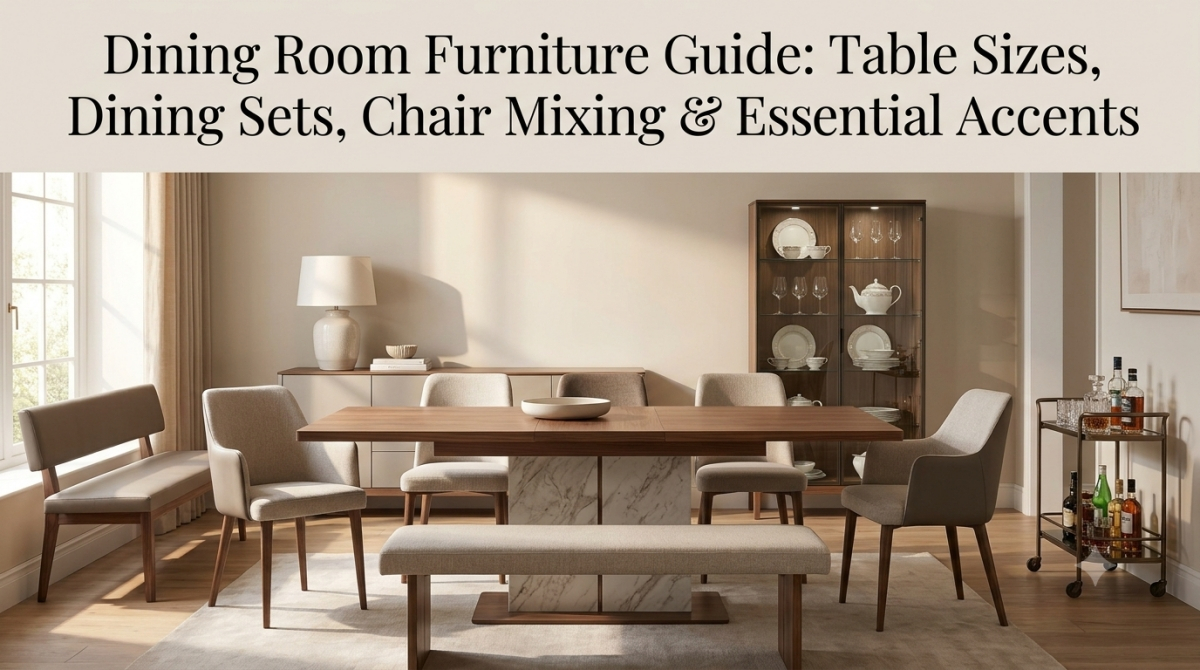
Choosing the right Dining Room Furniture is one of the most important decisions when designing a beautiful, comfortable, and functional home. The dining room is more than a place to eat. It is where families gather, guests are welcomed, business conversations happen, and everyday living becomes more meaningful. A well-planned dining space can improve comfort, maximize available floor area, and create a strong visual identity for the entire home.
Whether you are furnishing a compact apartment, a modern family dining room, a hospitality project, or a retail furniture collection, understanding dining table size, dining room set composition, chair coordination, and complementary storage accents is essential. The right choices can make a dining room feel balanced, practical, elegant, and ready for long-term use.
At Movvon Furniture, we specialize in modern, functional, and customizable dining and coffee tables designed for today’s flexible living environments. With over 16 years of expertise in functional furniture design, Movvon Furniture combines original craftsmanship, patented mechanisms, automated production lines, precision testing, and 100% unit-by-unit quality control to deliver reliable, ready-to-market furniture solutions for global B2B partners.
This complete guide will answer key questions homeowners, interior designers, distributors, retailers, and e-commerce furniture brands often ask: What is a good size for a dining table? What is included in a dining room set? How can you mix and match dining chairs with a table? And what accents should accompany a dining room set? By the end of this article, you will have a clear framework for building a dining room that looks refined, functions smoothly, and meets real lifestyle needs.
Why Dining Room Furniture Matters
Dining Room Furniture defines both the appearance and the usability of a dining space. A dining table may be the visual centerpiece, but the overall experience depends on how the table, chairs, benches, cabinets, lighting, and decorative accents work together. Good dining furniture must support daily meals, special gatherings, and sometimes even work-from-home activities, children’s homework, or casual meetings.
In modern homes, the dining room is no longer limited to a formal, rarely used area. Open-plan living has transformed the dining table into a multifunctional hub. It may sit between the kitchen and living room, serving as a bridge between cooking, conversation, entertainment, and relaxation. Because of this, dining furniture needs to be more adaptable than ever.
For furniture businesses, the dining room category also represents a strong opportunity. Dining tables and dining sets are high-value products that customers carefully compare before purchasing. They want durability, attractive design, flexible sizing, and practical features. Retailers and distributors that offer well-designed dining solutions can better satisfy different home sizes, regional tastes, and lifestyle demands.
Movvon Furniture was founded with a vision to redefine functional living. From a small workshop in Foshan to a state-of-the-art facility spanning over 100,000 square feet, Movvon has grown into one of China’s leading manufacturers of modern dining and coffee tables. Our focus on extendable, lift-top, and multifunctional structures allows our partners to offer furniture that adapts to real homes and real users.
What Is a Good Size for a Dining Table?
A good dining table size depends on three major factors: the number of people who need to sit comfortably, the size and shape of the room, and the way the table will be used. There is no single perfect size for every home, but there are reliable guidelines that help buyers choose the right dimensions.
The most important rule is comfort. Each diner should have enough personal space to sit, eat, and move without feeling crowded. As a general guideline, each seated person needs about 24 inches of table width. For more comfortable dining, especially when serving multiple dishes, 28 to 30 inches per person is even better.
Table width is also important. A dining table should be wide enough to hold plates, glasses, serving dishes, and decorative items, but not so wide that conversation becomes difficult. Most rectangular dining tables are around 36 to 42 inches wide. This range offers enough surface area while keeping guests close enough for comfortable conversation.
The standard dining table height is usually around 28 to 30 inches. This works well with most dining chairs, which typically have a seat height of about 17 to 19 inches. The space between the chair seat and the underside of the table should allow comfortable legroom, usually around 10 to 12 inches.
For smaller rooms, round and square tables often work well because they soften traffic flow and create a more intimate dining experience. For larger rooms, rectangular and oval tables are popular because they can seat more people and visually anchor the space. Extendable dining tables provide an especially practical option because they can remain compact for everyday use and expand when guests arrive.
Dining Table Size by Seating Capacity
When selecting Dining Room Furniture, seating capacity is often the first concern. A buyer may ask, “Do I need a table for four, six, eight, or more?” The answer should consider both daily household size and occasional entertaining needs.
Dining Table for 2 People
A small round table of about 30 to 36 inches in diameter or a compact square table around 30 by 30 inches can work well for two people. This size is ideal for apartments, breakfast corners, studio homes, and small kitchens. It creates a cozy dining environment without occupying too much floor space.
Dining Table for 4 People
For four people, a round table of about 36 to 48 inches in diameter is a comfortable choice. A rectangular table around 48 inches long and 30 to 36 inches wide can also seat four people easily. This is one of the most common dining table sizes for small families and urban homes.
Dining Table for 6 People
A six-person dining table usually measures about 60 to 72 inches long if rectangular. A round table for six often needs a diameter of about 54 to 60 inches. This size provides more flexibility for family meals, small gatherings, and dinner parties.
Dining Table for 8 People
For eight people, a rectangular dining table generally needs to be around 78 to 96 inches long. A large round table can also work, but very large round tables may make it harder to reach food in the center. Oval and rectangular forms are often more practical for seating eight or more guests.
Dining Table for 10 or More People
Large dining tables for ten or more people are suitable for spacious homes, villas, hospitality areas, conference dining rooms, and commercial projects. These tables often require lengths of 108 inches or more. In this category, extension mechanisms are highly valuable because they allow the table to support large gatherings without permanently occupying excessive space.
Room Clearance and Space Planning
Table size should never be chosen in isolation. A beautiful dining table can become inconvenient if the room does not allow enough clearance around it. Good dining room planning considers walking space, chair movement, serving access, storage furniture, and visual balance.
As a general planning rule, there should be at least 36 inches of clearance between the edge of the dining table and the wall or nearby furniture. This allows people to pull out chairs and move around the table. If the dining area is a main traffic path or if people often serve food from behind seated guests, 42 to 48 inches of clearance is more comfortable.
For open-plan layouts, the dining table should align naturally with the kitchen, living room, or windows. A rug can help define the dining zone, but it should be large enough so that chairs remain on the rug even when pulled out. If the rug is too small, the chairs may catch on the rug edge and create discomfort.
Lighting should also match table size and shape. A long rectangular table often looks best with a linear pendant or a row of lights, while a round table pairs well with a central chandelier or pendant lamp. The light fixture should enhance the dining table without blocking sightlines across the table.
For furniture sellers and project buyers, clear size guidance can improve customer satisfaction and reduce returns. Providing dining table size charts, room layout suggestions, and product images with scale references can help buyers make confident decisions.
Why Extendable Dining Tables Are a Smart Choice
Extendable dining tables are one of the most practical solutions in modern Dining Room Furniture. They allow users to enjoy a compact table during everyday life and expand the surface when hosting guests. This flexibility is especially important in apartments, townhouses, open-plan homes, and urban markets where space efficiency matters.
A well-designed extendable dining table should be easy to operate, stable after extension, visually attractive in both compact and expanded forms, and durable enough for repeated use. The extension mechanism is one of the most important parts of the product. Poor mechanisms may feel unstable, difficult to use, or unreliable over time. High-quality mechanisms improve user confidence and product value.
Movvon Furniture has deep experience in functional furniture design, including extendable, lift-top, and multifunctional structures. Our dining tables are designed to adapt to changing needs while maintaining modern aesthetics. For B2B partners, functional tables offer strong selling points because they solve real consumer problems: limited space, flexible entertaining, and the need for long-term practicality.
Extendable tables also support better inventory strategy. A single product can appeal to multiple customer groups: small households that need compact furniture, families that host guests, and project buyers looking for flexible layouts. For retailers and e-commerce brands, this can help broaden product appeal and improve conversion rates.
What Is Included in a Dining Room Set?
A dining room set usually includes a dining table and a coordinated number of seating pieces. The most traditional combinations are a 5-piece dining set and a 7-piece dining set. However, modern dining room sets may also include benches, mixed chair styles, sideboards, display cabinets, or other accent furniture depending on the size and style of the space.
The purpose of a dining room set is to create a cohesive and functional dining environment. Instead of purchasing every piece separately, customers can choose a set that already balances table size, seating capacity, materials, colors, and design language. This makes buying easier and helps create a more polished final look.
For retailers, dining room sets are attractive because they increase average order value. A customer who originally planned to buy only a table may decide to purchase a full table-and-chair set, a bench, or matching storage pieces if the collection is presented as a complete lifestyle solution.
5-Piece and 7-Piece Dining Room Sets
What Is a 5-Piece Dining Set?
A traditional 5-piece dining room set includes one dining table and four dining chairs. This is one of the most popular configurations for small families, apartments, breakfast areas, and compact dining rooms. It provides enough seating for everyday meals without overwhelming the space.
A 5-piece set is often paired with a round, square, or small rectangular table. It can be designed in many styles, including modern minimalist, Scandinavian, industrial, luxury stone-effect, wood veneer, or upholstered chair combinations. For online furniture sales, 5-piece sets are often easier to ship and market because they suit a wide range of homes.
What Is a 7-Piece Dining Set?
A 7-piece dining room set usually includes one dining table and six dining chairs. This configuration is ideal for medium-sized dining rooms, larger families, and customers who frequently entertain guests. Rectangular and oval tables are common choices for 7-piece sets because they offer balanced seating on both sides and at the ends.
A 7-piece set creates a more formal and complete dining room appearance. It can become the centerpiece of the home, especially when paired with a sideboard, pendant lighting, and decorative accessories. For retailers and distributors, 7-piece sets often represent higher-value sales and appeal to customers looking for a complete dining solution.
Beyond Traditional Sets
While 5-piece and 7-piece dining room sets remain popular, modern consumers increasingly prefer flexible arrangements. They may combine chairs and benches, use different chair styles at the head of the table, or select an extendable table that can change from a 4-person setup to a 6-person or 8-person setup.
This shift reflects the way people live today. Dining rooms need to support daily routines, occasional gatherings, and personal style. As a result, manufacturers and furniture brands should consider offering modular collections, customizable seating packages, and coordinated accent pieces.
The Role of Dining Benches in Modern Dining Sets
Dining benches have become a popular addition to modern dining room sets. Instead of using only individual dining chairs, many homeowners now choose a bench on one side of the table and chairs on the other. This arrangement can make the dining room feel more relaxed, family-friendly, and space-efficient.
A dining bench is especially useful in smaller rooms because it can often be tucked under the table when not in use. This helps save floor space and keeps the room looking open. Benches can also seat children comfortably and make casual meals feel more social.
From a design perspective, benches add visual variety. A wooden bench can create warmth, an upholstered bench can increase comfort, and a leather or faux-leather bench can add a modern luxury feeling. In open-plan homes, a bench may also reduce visual clutter because it has a lower profile than chair backs.
For dining sets, a common modern configuration is one table, two or four chairs, and one bench. This can replace a traditional 5-piece or 7-piece arrangement while offering a more flexible seating experience. Retailers can position bench dining sets as practical solutions for families, apartments, and contemporary interiors.
How to Mix and Match Dining Chairs with a Table
Mixing and matching dining chairs with a table is one of the most effective ways to create a stylish, personalized dining room. Instead of using identical chairs throughout the set, homeowners and designers can combine different shapes, materials, colors, or chair types to achieve a curated look.
However, successful mixing requires balance. The goal is not to make the dining room look random, but to create intentional contrast. The table and chairs should share at least one common design element, such as color tone, material finish, leg style, upholstery texture, or overall design period.
For example, a modern stone-effect dining table can be paired with upholstered chairs in neutral colors to create a soft luxury look. A black walnut wood table can be matched with leather dining chairs for a warm and refined atmosphere. A minimalist table with a metal base may work well with slim-profile chairs that echo the table’s clean lines.
Chair Styles, Layouts, and Design Rules
Use Armchairs at the Head of the Table
One classic way to mix dining chairs is to place armchairs at the head of the table and armless side chairs along the sides. This creates a sense of hierarchy and elegance. The head chairs feel slightly more formal, while the side chairs keep the arrangement practical and space-efficient.
Armchairs are especially suitable for rectangular and oval tables. They help frame the table visually and can make the dining room feel more complete. Upholstered armchairs can also increase comfort for long dinners, meetings, or hospitality settings.
Pair Side Chairs with Clean Table Lines
Side chairs are chairs without arms, making them easier to slide under the table and better suited for compact dining spaces. They are practical for everyday dining and allow more people to sit around the table when needed.
When pairing side chairs with a table, pay attention to seat height, chair width, and leg clearance. A beautiful chair may not work if it does not fit comfortably under the tabletop. For B2B buyers, ensuring compatibility between tables and chairs can reduce customer complaints and improve product reviews.
Mix Materials Carefully
Material mixing can make a dining room more interesting. Wood, metal, stone-effect surfaces, glass, leather, and fabric can all work together when the color palette is controlled. A good rule is to limit the main materials to two or three. Too many competing materials can make the room feel busy.
For example, a marble-effect dining table with a dark pedestal base can be paired with black leather chairs and a wooden sideboard. This creates contrast while maintaining a cohesive palette. A natural wood table can be paired with cream upholstered chairs and a metal lighting fixture for a warm contemporary look.
Coordinate Colors Without Overmatching
A dining set does not need to match perfectly. In fact, overly matched furniture can sometimes feel flat or outdated. Instead, choose colors that complement each other. Neutral colors such as white, gray, beige, black, and wood tones are easy to coordinate. Accent colors can be introduced through chair upholstery, artwork, tableware, or rugs.
If the dining table has a strong visual feature, such as a veined stone-effect top or sculptural pedestal base, the chairs should support rather than compete with it. If the table is simple and minimalist, chairs can be used to add personality.
Keep Proportions Balanced
Chair scale should match table scale. Heavy, oversized chairs may overpower a slim table, while very delicate chairs may look weak beside a large pedestal table. The visual weight of the chairs and table should feel balanced from every angle.
In showroom displays and product photography, proportion is especially important. Customers often judge furniture quality and style from images before reading specifications. A well-styled dining set can communicate value immediately.
What Accents Should Accompany a Dining Room Set?
A dining table and chairs form the foundation of the dining room, but accent furniture completes the space. The right accents add storage, display opportunities, serving convenience, and visual depth. They also help transform a simple dining area into a complete lifestyle setting.
Important dining room accents include sideboards, credenzas, china cabinets, display cabinets, bar carts, mirrors, rugs, lighting, wall art, and decorative tabletop pieces. These items enhance both function and style. For furniture sellers, they also create valuable cross-selling opportunities.
When selecting accents, the goal is to support the dining set without overcrowding the room. Every piece should have a purpose. A small apartment may only need a compact sideboard or bar cart, while a large dining room may accommodate a full sideboard and display cabinet combination.
Sideboards and Credenzas
Sideboards and credenzas are among the most useful dining room accents. They provide storage for tableware, serving dishes, napkins, glassware, candles, and seasonal decorations. They also create a serving surface during dinners and gatherings.
A sideboard is usually placed along a wall near the dining table. Its height is typically convenient for serving food or displaying decorative objects. A credenza may have a similar function but often has a lower, longer profile. In modern interiors, the terms are sometimes used interchangeably.
From a design perspective, sideboards help visually anchor the dining room. A wood sideboard can add warmth, a high-gloss cabinet can create a luxury feel, and a handleless minimalist design can support a clean modern style. Matching the sideboard finish with the dining table base or chair legs can create subtle cohesion.
For retail merchandising, sideboards are excellent companion products for dining tables. A customer buying a dining set may also need storage, especially if they are designing a new home or upgrading an entire dining room. Presenting sideboards as part of a coordinated dining collection can increase the perceived completeness of the offering.
China Cabinets and Display Storage
China cabinets and display cabinets add elegance and vertical interest to a dining room. Traditionally, china cabinets were used to display fine porcelain, glassware, and formal dinnerware. Today, they can also display books, decorative objects, wine glasses, collectibles, or curated home accessories.
A china cabinet works especially well in a larger dining room with enough wall space. Glass doors can make the room feel lighter while protecting items from dust. Built-in lighting can highlight displayed pieces and create a refined atmosphere in the evening.
For modern dining rooms, display cabinets do not need to look old-fashioned. Slim frames, smoked glass, integrated lighting, metal accents, and minimalist handles can make them feel contemporary. When paired with a modern dining table, a well-designed cabinet can elevate the entire room.
In B2B furniture sales, display cabinets can help create complete room collections. They also support higher-value project packages for apartments, villas, hotels, restaurants, and serviced residences.
Bar Carts and Flexible Entertaining Pieces
Bar carts are flexible, stylish, and functional additions to a dining room. They can hold drinks, glassware, coffee service, desserts, or decorative accessories. Because many bar carts are mobile, they can move between the dining room, living room, kitchen, or outdoor entertaining area.
A bar cart is especially useful for smaller spaces where a full cabinet may not fit. It adds a hospitality feeling without requiring permanent installation. Materials such as metal, glass, wood, and stone-effect surfaces can coordinate with the dining table and other furniture pieces.
For modern homes, a bar cart can also serve as a coffee station, plant display, dessert trolley, or compact serving table. This multifunctional quality aligns with the broader trend toward flexible living.
Retailers can position bar carts as add-on products for customers purchasing dining sets, coffee tables, console tables, or living room furniture. They are often easier to ship and can provide strong visual appeal in lifestyle photography.
Choosing Dining Room Furniture for Retail, Wholesale, and Project Markets
For distributors, retailers, e-commerce brands, and project buyers, choosing Dining Room Furniture is not only about style. It is also about supply reliability, product differentiation, quality control, packaging, market adaptability, and profit potential.
Modern customers expect furniture that looks good, performs well, and fits their lifestyle. This is why functional dining tables are increasingly valuable. Extendable tables, compact-to-round tables, drop-leaf tables, multifunctional surfaces, and durable mechanisms can help brands stand out in competitive markets.
Product design should also reflect regional preferences. European customers may prefer minimalist forms, neutral colors, and space-saving functionality. North American buyers may value larger table sizes, durable surfaces, and comfortable seating. Australian and Asian markets may require a balance of compact dimensions, modern aesthetics, and multifunctional use.
For e-commerce brands, ready-to-sell assets are also important. High-quality product photos, clear descriptions, specification sheets, videos showing extension mechanisms, and easy-to-understand size guides can all improve online conversion. Movvon Furniture supports B2B partners by combining efficient production with responsive service and market-ready furniture solutions.
A strong dining furniture collection should include different table sizes, extendable options, chair pairings, benches, and accent furniture possibilities. This allows sellers to target multiple customer groups and offer complete dining room solutions rather than isolated products.
Why Choose Movvon Furniture?
Movvon Furniture is your trusted partner for innovative, customizable tables. With over 16 years of experience in functional furniture design, we have built strong expertise in developing modern dining and coffee tables that combine beauty, practicality, and durability.
Our factory has grown from a small workshop in Foshan into a modern facility covering over 100,000 square feet. Today, Movvon serves distributors, retailers, e-commerce brands, and project clients across Europe, North America, Australia, and Asia.
One of our greatest strengths is adaptability. Many of our tables are designed to be extendable, lift-top, or multifunctional. These features help users make better use of their living space and provide B2B partners with products that are easier to market and sell.
Movvon Furniture is equipped with automated production lines and precision testing systems. Every product goes through 100% unit-by-unit quality control to ensure reliability before delivery. This strict process helps our partners reduce risk, maintain brand reputation, and confidently meet customer expectations.
We also provide OEM and ODM services. Whether you need custom dimensions, materials, colors, mechanisms, packaging, or market-specific designs, Movvon can support your product development needs. Our factory-direct efficiency helps partners expand product portfolios, maximize margins, and compete effectively in fast-moving furniture markets.
Key Advantages of Movvon Furniture
Over 16 years of experience in functional furniture design
Modern factory with more than 100,000 square feet of production space
Specialization in dining tables, coffee tables, and multifunctional furniture
Extendable, lift-top, drop-leaf, and adaptable table mechanisms
OEM and ODM customization services
Automated production lines and precision testing
100% unit-by-unit quality control
Factory-direct efficiency for competitive B2B pricing
Support for distributors, retailers, e-commerce brands, and project buyers
Experience serving markets in Europe, North America, Australia, and Asia
Final Thoughts: Build a Better Dining Room with the Right Furniture
Choosing the right Dining Room Furniture requires a balance of size, comfort, function, and style. A good dining table should fit the room, seat the right number of people, and support both daily meals and special occasions. A dining room set may include a traditional 5-piece arrangement with one table and four chairs, a 7-piece set with one table and six chairs, or a modern combination that includes benches and mixed seating.
Mixing and matching dining chairs can bring personality and sophistication to the space. Armchairs at the head of the table, side chairs along the sides, coordinated materials, and balanced proportions can help create a designer-level dining room. Accent furniture such as sideboards, credenzas, china cabinets, and bar carts adds storage, display value, and entertaining convenience.
For homeowners, the right dining furniture makes daily living more comfortable and enjoyable. For businesses, a well-planned dining furniture collection can improve product differentiation, increase average order value, and meet the needs of modern consumers.
Movvon Furniture is committed to helping global partners deliver innovative, customizable, and market-ready dining furniture solutions. With strong manufacturing capability, functional design expertise, OEM/ODM support, and strict quality control, we are ready to help you expand your dining room furniture collection with confidence.
Contact Movvon Furniture for Custom Dining Room Furniture Solutions
If you are looking for high-quality dining tables, extendable dining tables, dining room sets, coffee tables, or custom furniture solutions for your market, Movvon Furniture is ready to support your business.
Explore our modern Dining Room Furniture collections, discuss OEM/ODM customization, or request a quotation today. Partner with Movvon Furniture and bring flexible, stylish, and reliable dining solutions to your customers worldwide.
Contact Movvon Furniture today to start your next dining furniture project.
Hotline: +86 18566878661
Email: sales@movvon.com
Company Address: A District, Shatou Industrial Park, Foshan City